
06 Oct Museum of the Future: Quality Management
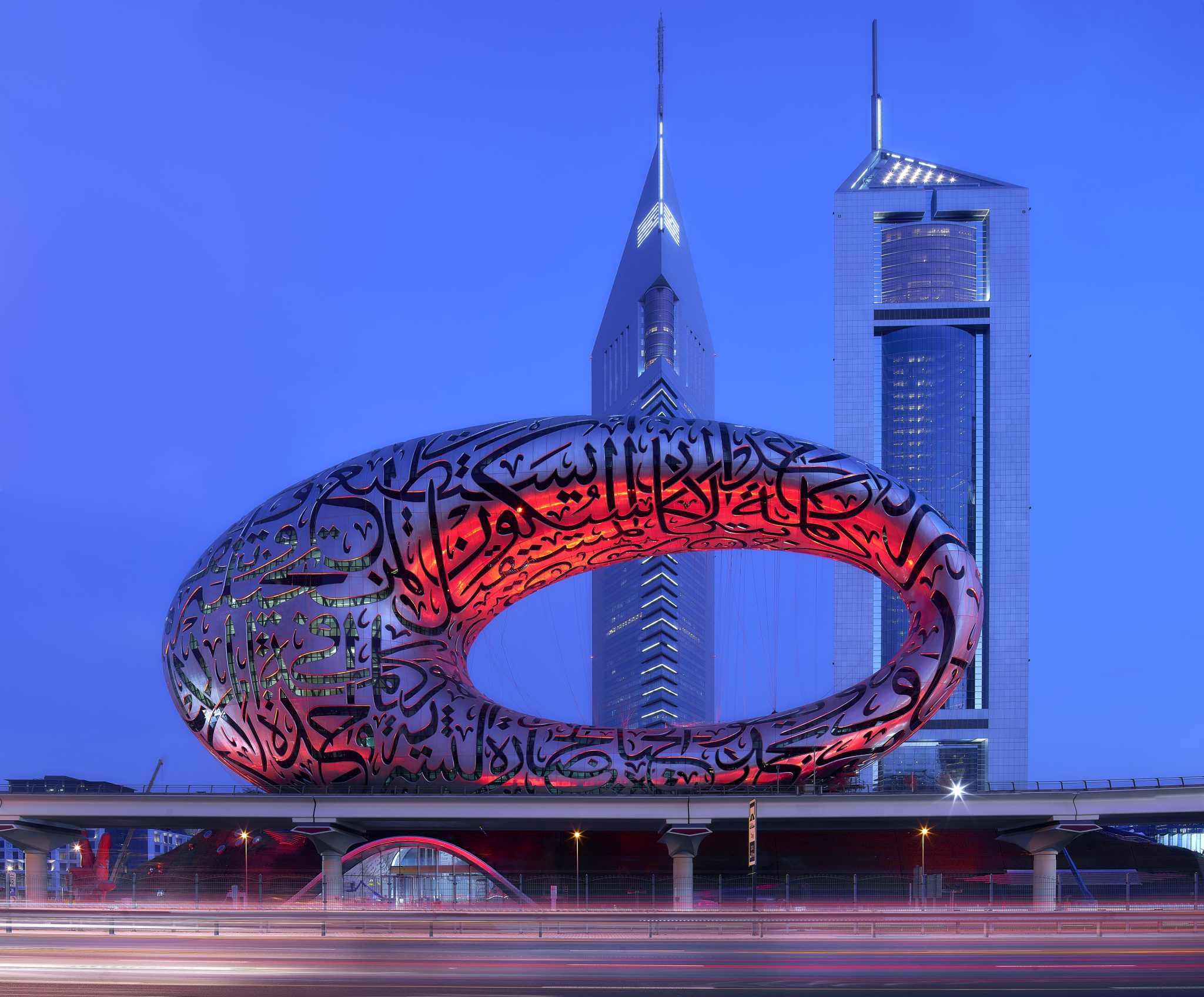
We watched in amazement as the building was lit up. It was a proud moment, after working on such an iconic and futuristic project.
Constructed using pioneering construction technologies and innovative engineering, the Museum of the Future is a unique and complex structure. Its external façade uses composite technologies, with double glazed units and stainless steel unitised panels.
The curved and twisted panels follow the curvature of the complex building structure. Inscribed with inspirational words and phases, the panels align to form Arabic calligraphy.
Qualitaz was appointed to manage the quality requirements for the manufacturing and installation of the external façade.
How do you control Quality on futuristic panels?
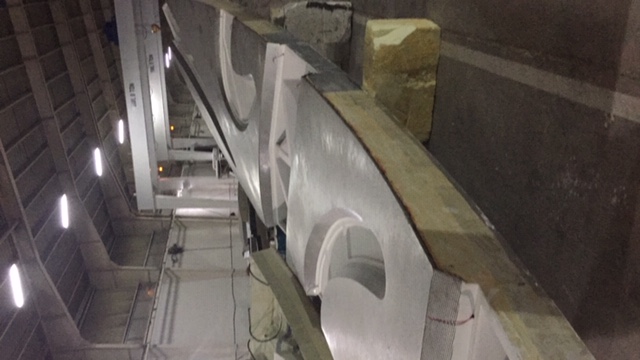
How do you control the quality of panel production when every panel is unique and differs in size and shape? (some are a staggering 17 meters long).
At Qualitaz, we designed and implemented, a bespoke and robust quality inspection framework and process that followed the production and assembly works. This was implemented across three factory facilities and on site.
We inspected each of the 1024 panels against a stringent set of criteria before release.
One small error could lead to misalignment of the panels, or the calligraphy, and could compromise the integrity of the panel.
The Production and the Quality teams had to carry out a rigorous inspection regime to maintain and control each of the 14 production steps. The end users Project Management and Architects’ teams also carried out further inspections.
How do you Transport a curved and twisted panel?
Logistics was another hurdle.
Transporting the panels from the factory to the site, and onwards onto the building, was a delicate operation. Lifting operations could easily buckle or twist the panels.
I remember when the first panel was lifted into the air for installation by the tower crane. I held my breath, knowing how much effort and care had been taken by the project team to ensure each panel was to the highest quality standards.
A gust of wind or one misguided steer on the crane could ruin all of this hard work.
Digitizing the inspection process
In addition to the production and installation works, there were a large number of inspections and documents to process and prepare for each of the 1024 panels.
With the futuristic design of the building, it made sense that the inspection and documentation process should be modernised too.
We converted the paper based system to a customised digital platform that automated the manufacturing and site inspection processes.
Tracking every panel
Using IPADs enabled us to capture information and manage the inspection and approval process in both the factory and on site. We were also able to track each panel through the process using a QR code system.
This also enabled the client’s team to manage their inspections through the same platform.
The digital platform provided real time reporting linked to the panel inspections. This gave the project team better visibility and supported faster decision making.
Panels could be easily tracked and moved through the production process more efficiently as a result of reduced processing and approval time.
The complexity of the work required approvals from multiple parties before installation, so having visibility of where each panel was within the process was particularly important.
Change is not always easy.
For many years our client had been operating a paper-based system. We are really proud of the team who embraced the new technology, and this certainly made all of our lives that little bit easier.
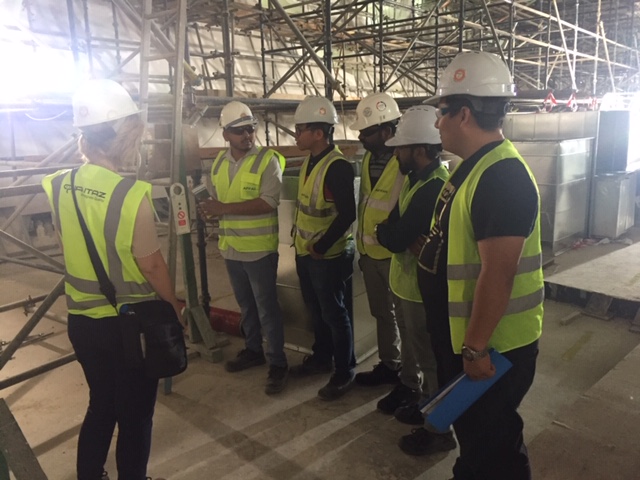
Onsite Training at Museum of the Future
Making the process work in practice
The Museum of the Future was an extraordinary project, but the challenge was also very practical.
With 1,024 unique panels moved through multiple production stages, factories, inspections and approvals. They then had to be transported and installed; the process had to work in practice – not just on paper.
That meant looking at how the work was actually being carried out, identifying where controls and information could be improved, and putting a practical system in place for the teams using it.
It is very exciting to see the final building standing in its glory.
I remember one of our inspectors saying to me, as we passed by the building
“Do you remember panel 77”
There is always one that is an extra challenge!
If you have a construction or manufacturing project that needs a robust quality process from the start, or an existing project where the process isn’t working as it should, Qualitaz can help.
Get in touch with Qualitaz to discuss your project