
14 Dec Make Handover Part of the Build – Not the End of it.
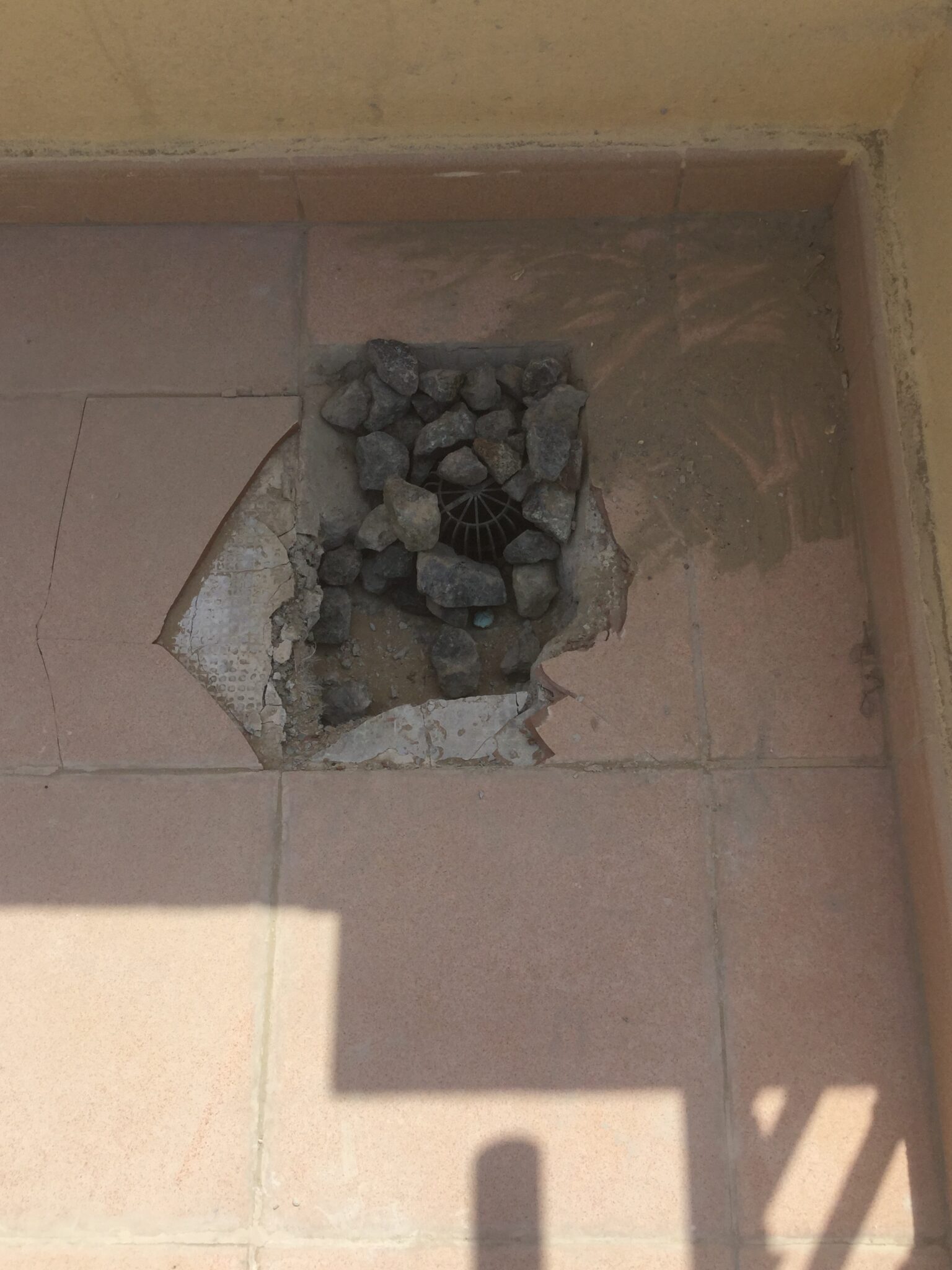
A property can look finished on paper and still have significant quality issues when it is inspected before handover.
We have inspected residential properties across the UAE during the handover stage and have seen how quickly small issues can become a much bigger problem for developers and homeowners.
Poor finishes, incomplete works, defects, missing information and inadequate testing can all delay handover and create additional work for project teams after completion.
For the homeowner, the impact is even greater. They may be expecting to move into their new home, only to find that work is still being completed around them for weeks or even months after handover.
For the developer, the consequences can include customer complaints, additional rectification costs, pressure on customer service teams and damage to the customer experience and reputation.
When the Quality Records Don’t Match the Building
Most contractors and project teams have quality procedures, inspection records and checklists in place.
The problem is not always the absence of a process. Instead, the question is whether the process is actually working.
We have seen situations where quality records indicate that inspections have been completed, while the installed work still contains significant defects.
That difference matters.
If the paperwork says the work has been checked but the finished property tells a different story, something has broken down between the process and its application on site.
This could be caused by unclear standards, inadequate inspections, poor coordination, lack of training, time pressure or responsibilities that are not being properly managed.
Developers need to understand what is actually happening on their projects, rather than relying solely on what the records say should be happening.
8 Things Property Developers Should Check
1. Set Clear Quality Standards
Developers should establish clear quality standards for their developments rather than relying entirely on the quality systems of individual contractors or project management teams.
The standards should define what is expected from everyone involved in delivering the development.
This creates consistency across projects and makes it easier to identify when work does not meet the required standard.
It also gives the developer greater control over the quality of the finished product and the customer experience.
2. Make Quality Responsibility Clear
Quality cannot sit with one department or one person.
Project management, construction teams, contractors, consultants and quality personnel all have a role to play.
Where developers use independent quality personnel, those people need sufficient authority to raise issues and ensure teams address them.
Senior management also needs to support the process and give teams the time and resources needed to carry out effective inspections and follow through on corrective actions.
3. Make Sure Teams Understand the Standard
A quality standard is only useful if the people delivering the work understand it.
Quality inductions and project-specific training should make expectations clear from the beginning.
This should include project teams, contractors and other people whose work can affect the finished property.
The objective is not simply to explain a procedure. It is to make sure people understand what good looks like and what is required before work is accepted.
4. Align the Customer Journey With the Build
The customer experience starts well before the handover appointment.
Sales, project delivery and customer service teams need to understand how the development is progressing and what the customer should expect at each stage.
A defined customer journey can help identify where information needs to be communicated, what needs to be completed before occupation and where potential issues need to be addressed.
The construction process and customer journey should not operate as separate activities.
5. Allow Enough Time for Handover
Handover should not be treated as the final few weeks of a project.
Time needs to be allowed for inspections, testing, commissioning, snagging, rectification and closeout documentation.
If teams leave these activities until the end, there may not be enough time to resolve problems before the planned handover date.
A realistic programme should account for the work required to make the property genuinely ready for occupation.
6. Inspect the Property Properly Before Handover
A property should be inspected thoroughly before the customer arrives.
This includes architectural finishes, MEP systems, fixtures, fittings and other elements that form part of the completed property.
Inspections should identify issues early enough for them to be corrected, rather than simply recording defects at the point of handover.
The important question is not whether an inspection has been completed.
It is whether the inspection has actually established that the property is ready.
7. Track Defects and Closeout Properly
Finding defects is only the beginning. From there, teams need to record, assign, rectify and verify each issue before they can close it.
Digital tools can make this process easier to track across multiple properties and project teams, providing better visibility of outstanding issues and recurring problems.
This also helps developers identify patterns.
If the same defect appears across multiple properties, however, the answer may not be another round of snagging.
8. Make Handover Part of the Build – Not the End of it
A successful handover starts long before the customer receives the keys.
Documentation, inspections, testing, commissioning, training and property readiness all need to be considered during the project rather than being left until completion.
The handover process should connect the construction team, quality team, contractors and customer-facing teams so that everyone understands what needs to be completed and when.
The aim is simple: the property should be ready before the customer arrives.
Look Beyond the Defect
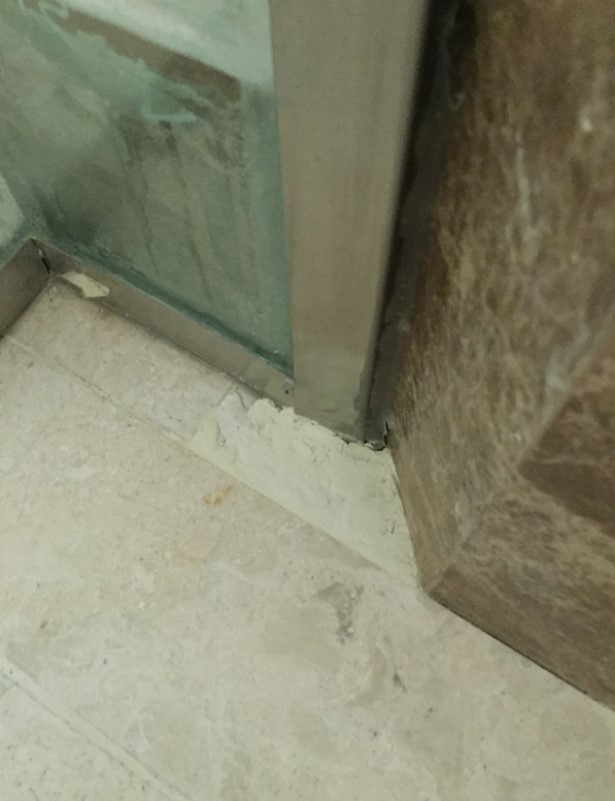
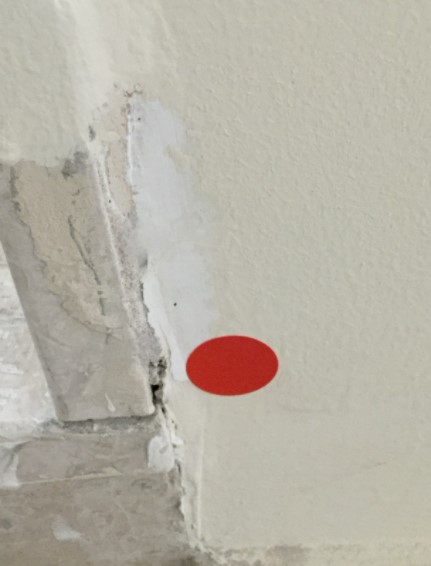
When a development has hundreds or thousands of defects at handover, it is easy to focus on clearing the list.
But the more important question is:
Why did those defects get that far in the first place?
If inspections were completed, why were the issues not identified earlier?
And if procedures were followed, why does the finished work not meet the required standard?
When the same problems are appearing across multiple properties, what is happening in the process that allows them to keep recurring?
These questions move the focus from simply fixing defects to understanding what is causing them.
Quality Needs to Work in Practice
Good quality management is not about creating more paperwork or adding another checklist.
It is about making sure the processes used to deliver, inspect and hand over a development actually work in practice.
For property developers, that means setting clear standards, understanding how contractors are working, checking whether inspections are effective and identifying where the process is breaking down.
When the process works properly, problems can be identified and corrected earlier, reducing rework, delays and avoidable customer issues.
At Qualitaz, we help developers and project teams identify where quality and handover processes are breaking down and put practical improvements in place.
If your quality records look complete but defects and handover problems continue to appear, the issue may not be the paperwork. It may be the process behind it.